Mastering Your Road Bike Fit for Speed and Efficiency
Cycling speed and efficiency hinge not just on the bike itself but critically on how the rider positions their body. Mastering an aerodynamic and comfortable cycling posture can shave precious seconds off ride times while sustaining power over longer distances.
The interplay between body alignment, bike fit, and component choices like wheel rim width creates a cohesive system that enhances both speed and stability. Without attention to posture, fatigue sets in quickly, diminishing power output and increasing the risk of injury.
Understanding how to position oneself and adjust a road bike fit strategically forms the foundation of a comfortable ride and faster, more enjoyable cycling rides.
Why Posture Matters for Speed and Comfort
Your Body position directly influences aero drag, the largest resistance force limiting cycling speed beyond a modest pace. A compact, low profile reduces the frontal area exposed to airflow, permitting higher speeds with less effort. However, a purely aggressive aero posture can sacrifice comfort and power output if held too long or performed without proper fit.
Achieving a balance where you maintain a comfortable position and the torso angle, saddle height, and handlebar reach support sustained power delivery while still minimizing drag is vital. The bike and its components—such as aerodynamic wheels optimized for specific tire widths—work in tandem to maintain a stable aero position, especially during descents or in crosswinds.
Cycling posture is more than just tuck; it’s a critical element of an effective bike fit strategy that safeguards the rider from fatigue and injury over extended rides.
Key Elements of an Effective Aero Position
Achieving a Stable Riding Position through Torso Alignment
A slightly inclined or flat back is essential for reducing aerodynamic drag while maximizing power transfer to the pedals. The torso and body position control hip flexion, which affects how efficiently muscle groups engage during the pedal stroke.
Excessive rounding of the back increases discomfort and stress over time, while too much arching can limit pedaling efficiency and cause lower back strain. Ideally, the rider should find a position that balances a comfortable, sustainable torso angle with a streamlined profile that allows for strong, consistent power output.
Shoulder Positioning and Shock Absorption through the Handlebars
Relaxed shoulders help reduce neck strain and accumulated muscle fatigue on longer rides. Keeping elbows slightly bent acts as a natural shock absorber, promoting flexibility in hand positions and lessening the impact from road vibrations.
Advanced materials in key components, such as 4th generation carbon spokes on road wheels, enhance compliance by dampening road buzz transmitted through the arms, thereby prolonging upper-body freshness.
The handlebar position and reach directly influences the positioning of the arms—too long a reach causes tightness and loss of control, while a shorter reach promotes agility and relaxed shoulders.
Hand Positions: Hoods, The Drops, and Aerobars
Common hand positions each offer trade-offs between aerodynamics and comfort. The hoods provide a balanced stance with good upright position and brake access, ideal for endurance rides or varied terrain. Dropbars reduce frontal area significantly, slicing watts by streamlining airflow and encouraging a tucked posture.
Modern wide-internal rim profiles between 21mm and 25mm permit the use of wider tires, which boost grip and confidence when descending aggressively in the drop position.
Aerobars and aero bar extensions push aerodynamic gains further by enabling an ultra-low and narrow arm profile, favored in time trials and triathlons. However, these require skillful bike fit adjustments to maintain control and handle changing road conditions safely.
Maximizing Power Output through Foot and Cleat Placement
Correct cleat position is paramount for maximizing power and minimizing injury risk. Aligning the cleat so the ball of the foot sits directly over or slightly ahead of the pedal axle ensures optimal knee tracking and pedaling geometry.
Proper cleat position reduces lateral knee stress and enhances pedaling efficiency. High lateral stiffness in components like carbon-spoked wheels enhances power “snap,” giving responsive feedback during sprints and climbs.
Additionally, cleat float—a degree of rotational movement allowed—should be customized to balance joint comfort with pedal control, adapting to each rider’s biomechanics.

Refining Your Bike Fit and Riding Position
Optimizing Saddle Height for an Efficient Riding Position
Finding the correct saddle height often starts with choosing the right bike size and using the heel method, where the leg remains nearly extended with the heel on the pedal at its lowest point. Knee angle guidelines—typically between 25 and 35 degrees of bend at the bottom of the pedal stroke—help fine-tune this adjustment.
Fore-aft saddle position influences distribution of weight across the bike and directly affects pedaling force transfer. Moving the saddle too far forward can overload the knees, while too far back reduces power and compromises aerodynamics.
Common errors, like a saddle positioned too low or too high, manifest in creeping knee pain, poor power, or discomfort in the hips and lower back.
Balancing Handlebar Reach and Drop for Aerodynamics and Riding Position
Handlebar reach refers to the horizontal distance between the saddle and handlebars, and handlebar drop is the vertical difference. Both shape how stretched out the rider feels and dictate upper-body fatigue levels. Adjusting stem length and angle can dial in optimal reach, balancing control with aerodynamic efficiency.
Aggressive aero postures often require a greater drop and longer reach but should be tempered with comfort needs. Stability in aero tucks is enhanced by wheelsets featuring U-shaped or UV-shaped rim profiles that reduce crosswind sensitivity, a crucial factor in maintaining form during high-speed sections.
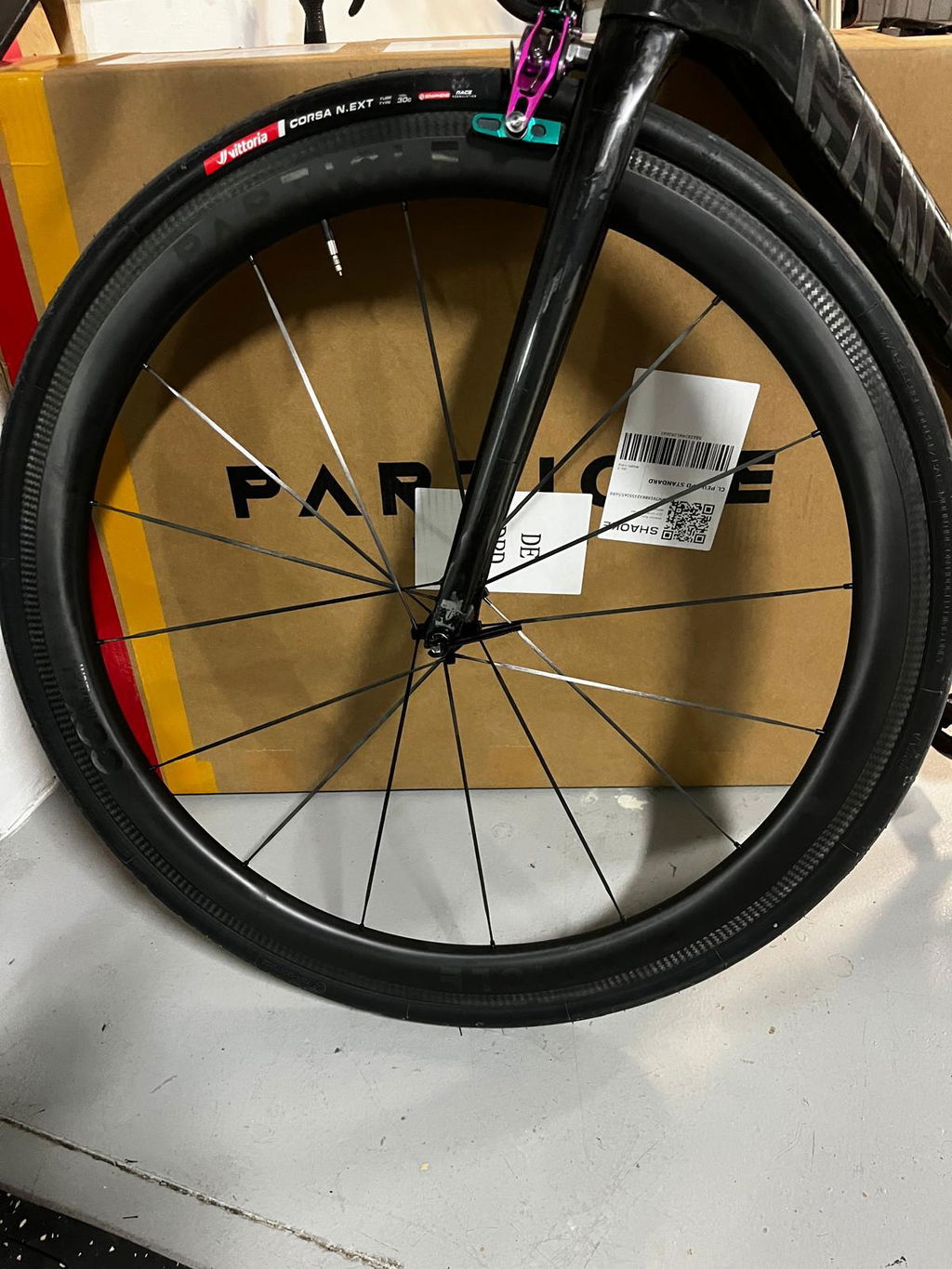
Brands like Particle's Hyperlight and Ultralight series' being an example of such a wheelset. Signals of overreaching or excessive drop include numb hands, neck strain, or loss of bike handling precision.

Adjusting Saddle Tilt for a Sustainable Riding Position
The saddle tilt is best set nearly horizontal or with a slight nose down angle to relieve pressure on soft tissue areas without sacrificing pedaling biomechanics. Adjusting the hood angle can mitigate wrist and hand strain by better aligning with natural wrist angles.
Spacers are a simple yet effective way to raise or lower handlebars, helping riders fine-tune posture increments and optimize comfort without drastic changes.
Aerodynamics: Reducing Drag and Rolling Resistance
Aerodynamic drag is the predominant resistive force opposed to cyclists once speeds rise beyond moderate paces. Reducing frontal area through refined posture choices, like adopting the drops or aero bar positions, cuts drag significantly and saves precious watts.
While rider position forms about 80% of aerodynamic gains, selecting mid-depth aerodynamic wheels with 40mm to 55mm rim depth compounds these savings passively by smoothing airflow. Aero bars and aero bar extensions facilitate a tighter, more compact posture, delivering power savings that translate directly into faster rides.
Prioritizing aero posture depends on factors such as wind conditions and riding goal—comfort and control remain paramount during rougher terrain or unpredictable weather.
Maintaining an Aero Position with Aero Bars and Extensions
Aero bars provide substantial watt savings by positioning the rider’s arms close together and lowering the torso, minimizing drag especially in time trial or triathlon settings.
However, prolonged rides in this position require specific bike fit changes to maintain comfort and avoid excessive strain on the lower back or shoulders.
Precision components like star ratchet hubs and highly machined drivetrain parts can reduce friction losses, allowing riders to capitalize fully on the aerodynamic and power efficiency these bars afford.
On the downside, aerobars can limit quick bike handling and brake access, so riders should carefully practice using them before racing or long efforts.
Holding Aerobar Extensions to Maintain a Tucked Riding Position
Optimal hand placement on aerobar extensions involves positioning the forearms vertically oriented with elbows centered under the shoulders, reducing aerodynamic drag and improving control. Common mistakes include gripping too tightly or positioning elbows too wide, which increases frontal area and fatigue.
Proper stack height adjustments ensure that the rider is not overextended, while tailoring elbow width aligns with individual shoulder width and flexibility, contributing to a comfortable and sustainable aero tuck.
How to Find Your Ideal Riding Position: Step-by-Step Approach
Start by setting your saddle's height using the heel method and adjusting until a biomechanically sound knee angle is achieved. Next, fine-tune saddle fore-aft to optimize weight distribution and leg extension. Handlebar reach and drop come third, focusing on balancing aerodynamic tuck with relaxed upper-body posture.
Finally, ensure foot position and cleat alignment support efficient power transfer while minimizing injury risk. This process requires iterative adjustments combining feedback from comfort, breathing ease, and bike handling. Consulting an experienced bike fitter can help streamline these adjustments.
Using a smart trainer or riding on smooth surfaces can make stationary fit sessions effective. Trusting equipment tested to stringent safety standards, such as 90-joule impact resistance, builds confidence to maintain aggressive positions without hesitation.

Common Mistakes in Cycling Posture and How to Fix Them
Common errors include overreaching the handlebars, leading to numb hands and shoulder pain, saddles set too high or low causing knee strain or lower back discomfort, and excessive handlebar drop provoking neck stiffness.
Remedies often involve simple stem length swaps, adjusting saddle height incrementally, or raising handlebars using spacers. Ignoring signals such as persistent discomfort increases injury risk and degrades performance.
Riders should also consider rotational weight effects caused by heavy rims that can slow acceleration during pack riding, making equipment choice critical for maintaining a responsive and aero setup.
FAQ: Optimization Tips for Your Aero Position
What is the 80% Rule in Cycling?
The 80% rule serves as a guideline for setting saddle height and effort levels in cycling. It suggests positioning the saddle at about 80% of the maximum leg extension achievable with the heel on the pedal at its lowest point.
Applying this rule helps optimize comfort and power output by preventing overextension or excessive knee bend, ensuring sustainable performance and reducing injury risk. Many bike fitters incorporate this heuristic early in the fitting process to quickly establish a baseline.
Finding the Most Efficient Aero Position on a Road Bike
The aero bar position typically offers the lowest aerodynamic drag by minimizing frontal area and enabling a compact, streamlined form. While highly effective in reducing watts, it comes with trade-offs in comfort and bike handling, especially on technical terrain.
Alternatives such as riding in the drops or aero hoods also provide aerodynamic benefits without compromising control or comfort as much, making them suitable choices for everyday road rides or group cycling.
What is the Best Riding Position for a Road Bike Fitting?
The best road bike position is highly personalized, influenced by individual physiology, flexibility, and riding goals.
A professional bike fit considers these factors alongside equipment proven at elite levels such as UCI WorldTour, ensuring that components and posture work harmoniously.
A tailored fit improves comfort, watt output, and aerodynamics simultaneously, yielding the most effective and sustainable riding position.
Joint Health and Reducing Rolling Resistance through Low-Impact Cycling
Cycling is an excellent low-impact exercise for maintaining joint mobility and muscle strength in hip arthritis sufferers. Proper bike fit plays a crucial role in minimizing hip strain by adjusting saddle height, fore-aft position, and handlebar reach to promote a smooth, pain-free pedal stroke.
Collaborating with medical professionals and an experienced bike fitter helps adapt posture and equipment to each individual's needs, enhancing comfort and reducing joint stress.
Seeking a Professional Bike Fit for a Specialized Riding Position & Riding Style
Professional bike fitting is advisable when persistent discomfort arises, when pursuing performance improvements, or recovering from injuries. Fitters employ advanced tools such as motion capture, pressure mapping, and aerodynamic wind tunnel testing to analyze the rider and bike as a system.
These experts customize positions based on physiology and riding style, maximizing aero gains while preserving joint comfort. Re-assessing fit periodically is important as flexibility and fitness evolve. Choosing a fitter conversant with modern rim and tire integration ensures optimized speed without sacrificing comfort.
Final Tips to Master Your Aero Position and Lower Rolling Resistance
Transitioning to an optimal cycling posture demands patience and incremental changes to allow the body to adapt. Complement posture improvements with core strengthening and flexibility exercises to sustain support over long rides.
Selecting durable components with warranties and crash replacement policies helps maintain focus on performance rather than equipment concerns.
Vary hand positions frequently to prevent numbness and distribute pressure, and perform regular posture checks to maintain efficiency and comfort. Embrace experimentation and refinement to unlock faster, more enjoyable cycling experiences.