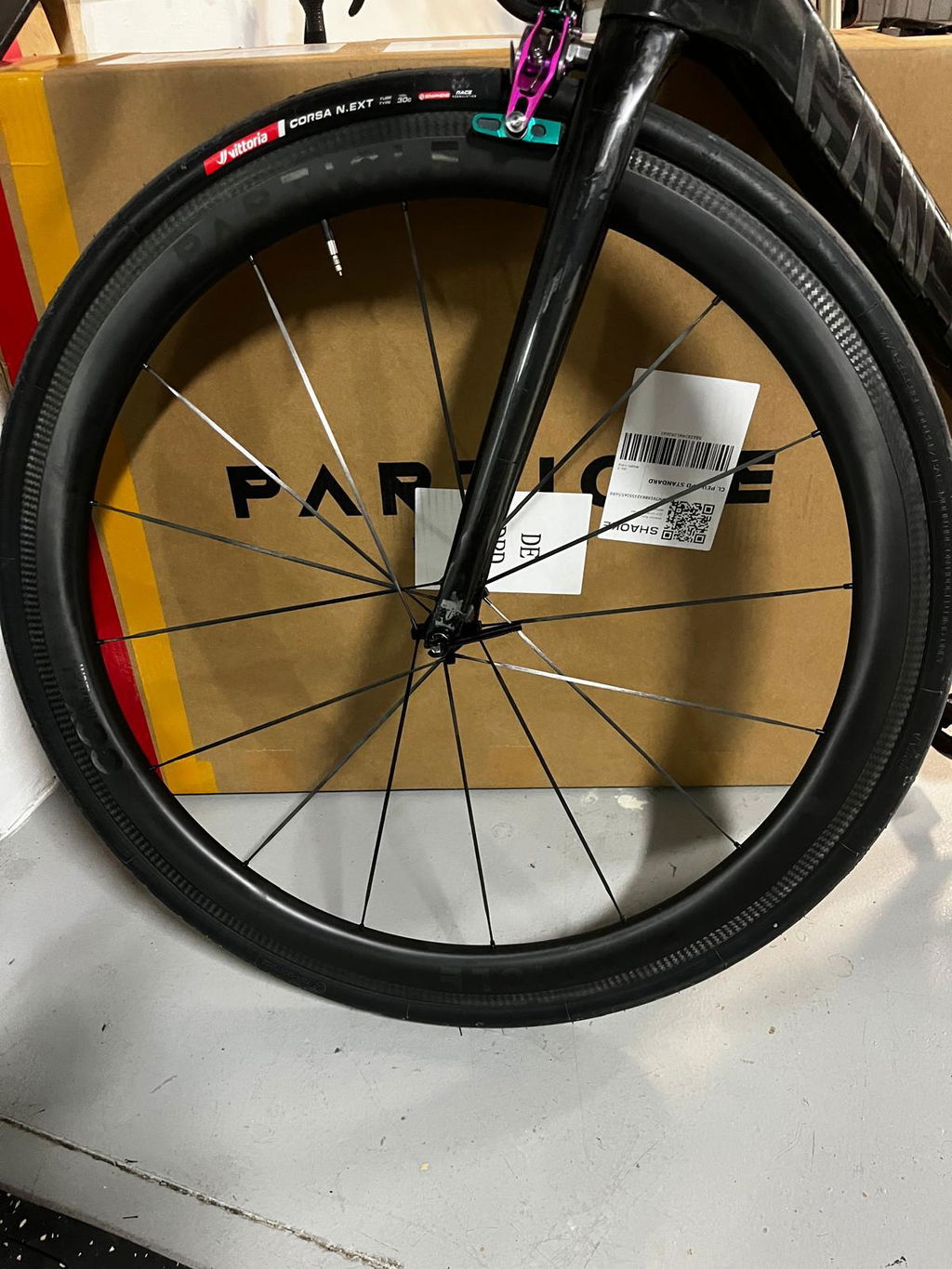
If optimizing both speed and comfort is a priority, selecting the right road bike tire width is a critical decision. Tire width influences how your bike handles, how smooth each ride feels, and even your overall efficiency on various surfaces.
As modern road cycling evolves, wider tires paired with perfomance wheels offer new advantages over traditional narrow profiles, balancing aerodynamics with improved vibration absorption.
Understanding these nuances will empower you to tailor your setup, striking the ideal balance for your riding style and terrain.
Understanding Road Bike Tires: Why Width Matters
The Science of the Contact Patch and Grip
The width of a road bike tire plays a fundamental role in speed, comfort, and control. Wider tires provide a larger contact patch with the road, increasing grip and absorbing road vibrations more effectively, which translates into enhanced comfort over rough surfaces.
How Wide Road Bike Tire Setups Reduce Rolling Resistance
While traditional narrow tires prioritized minimal rolling resistance on smooth pavements, modern wider tires challenge this norm by reducing real-world rolling resistance through taking advantage of lower pressure inflation. When combined with premium tires on high-performance carbon road wheels, these wider tires unlock superior tracking and damping benefits, resulting in a smoother yet responsive ride that elevates both speed and control.
Road Tire Sizes Explained: What Does 700x25c, 28c, 32c Mean?
Decoding Your Road Tire Size and Labeled Width
Road tire sizes typically combine wheel diameter and tire width, denoted like 700x25c. The “700” refers to the nominal outer diameter, roughly 700 millimeters, while the second number (e.g., 25, 28, 32) indicates the tire width in millimeters. It’s important to note that the labeled width might differ from the actual measured width once mounted on a rim.
The common 700c wheel uses an ISO bead seat diameter of 622mm, providing compatibility with many road tires. Other sizes like 650c or 27" exist but often cause confusion due to different rim diameters and are less common on modern road bikes.
Choosing the Right Road Tire Width for Your Bike Frame and Rim
The 105% Rule: Matching Rim Width to Tire Width
Similarly, the 105% rule helps ensure aerodynamic harmony by having rim internal width approximately 105% of the tire width.
Rim internal width also influences the true shape and width of the tire; wider rims increase tire volume and stability. For example, Particle’s carbon road bike wheels with wide internal channels transform a nominal 28c tire into a more plush, stable profile without sacrificing speed.
How Tire Width Affects Performance: Speed, Rolling Resistance & Control
Wider Tires and Real-World Rolling Resistance
Rolling resistance depends on tire width, pressure, and surface conditions. Contrary to past assumptions, wider tires run at lower pressures can actually reduce rolling resistance on rough real-world roads by better conforming to imperfections.
Narrow tires generally feel faster on impeccably smooth pavements but often sacrifice comfort and grip.
Wider tires expand the contact patch, improving cornering control and rider confidence, particularly on unpredictable surfaces. The nuanced trade-off means that selecting the appropriate tire width involves balancing raw speed against consistent control and rider comfort.
Tire Pressure: How It Interacts with Tire Width for Comfort and Speed
Optimizing Tire PSI for Speed and Comfort
Traditionally, higher tire pressures were favored to minimize rolling resistance and reduce pinch flats. However, wider tires accommodate lower pressures more safely, delivering superior comfort and increased grip by enlarging the contact patch and absorbing vibrations.
How Tire Pressure Prevents Pinch Flats
Running pressures too low risks pinch flats and rim damage, especially on clincher tires with inner tubes. Tubeless tire setups mitigate these risks, allowing riders to push the pressure boundaries downward.
Numerous online calculators help determine optimal tire pressure by factoring in rider weight, tire width, and terrain, enabling a tailored setup that maximizes both speed and comfort.

Clincher vs Tubular vs Tubeless Tire Setups: Pros and Cons
The Reliability of Clincher Tires and the Inner Tube
Clincher tires remain the most common, relying on an inner tube and offering easy maintenance and repair. They are user-friendly but more vulnerable to pinch flats at lower pressures.
Why Performance Riders Prefer Tubeless Tires
Tubeless tires eliminate the inner tube, using sealant to self-seal small punctures and permitting lower pressures, which enhances comfort and grip. While setup can be more involved, tubeless systems often outperform clinchers in real-world scenarios.
Tubular tires, glued or taped onto rims, are primarily found in professional racing due to their light weight and aerodynamic advantages but require specialized skills and equipment, making them less suitable for daily riders. Choosing between these depends on priorities: convenience and moderate performance (clincher), enhanced control and fewer flats (tubeless), or racing-focused efficiency (tubular).
Fitting Wider Tires: Frame Clearance and Bottom Bracket Height Considerations
Avoiding Mechanical Interference with Wide Tires
Adding wider tires inevitably reduces frame and fork clearance, potentially causing issues with brake calipers, fenders, or chainstays. Wider tires also affect bottom bracket height by increasing overall wheel diameter, which can slightly alter bike handling characteristics such as cornering and stability. It’s essential to verify accessory compatibility and maintain adequate clearance after installation.
Measuring tire clearance periodically prevents unexpected rubbing, especially if switching between tire brands or sizes frequently. Thorough clearance checks help avoid mechanical wear and preserve performance when upgrading tire width.
The 105% Rule: What They Mean for Selection of Road Tires
The 105% rule suggests rim internal width should be about 105% of the tire width to achieve aerodynamic efficiency and proper tire profile shape. Applying these rules ensures tires fit smoothly within the bike’s design limits while maximizing performance.
For instance, Particle’s Ultralight and Hyperlight wheelsets are engineered with the 105% principle in mind, creating setups that cut through crosswinds with reduced drag without compromising ride quality.
How to Measure Your Road Tire Width and Rim Width Accurately
Verifying Internal Rim Width for Compatibility
Accurate measurement involves using calipers to measure tire width with the tire fully inflated to recommended pressure, as width can vary when unmounted. Similarly, rim internal width should be obtained using appropriate measuring tools to ensure tire compatibility.
Be aware that manufacturer labeled widths may differ from actual mounted widths due to varying casing thickness and rubber profile. Consistently measuring after mounting new tires provides the best data for fit and pressure decisions, preventing surprises in performance or clearance.
Why Wider Tires Are Increasingly Popular: Comfort and Control Benefits
There is a clear trend favoring wider road tires, particularly in endurance and gravel riding segments. Riders appreciate how wider tires absorb road chatter and uneven surfaces, substantially boosting comfort on long rides. Improved grip from a larger contact patch increases cornering confidence and control, making wider tires attractive even for performance-focused cyclists.
Many riders report that 28c and 32c tires provide an ideal balance for daily riding. Data supports that this width range decreases fatigue without sacrificing much in speed, motivating widespread adoption across all levels of riders.

Tubeless Tires: Setup Tips and Advantages for Road Bikers
Setting up tubeless-vs-clincher-vs-tubular-vs-hookless-wheels-and-tires">tubeless tires requires compatible rims, a high-quality sealant, and careful bead seating to create an airtight system. Tubeless setups allow running lower tire pressures safely, which enhances comfort and traction while reducing pinch flats. Self-sealing punctures minimize stops during rides.
Regular maintenance includes replacing sealant periodically and ensuring tight bead registrations. Although the initial setup can be challenging, upgrading to tubeless-compatible wheels with precision-milled hook interfaces, like those from Particle, ensures effortless tire seating and robust performance improvements, worthwhile for riders seeking superior comfort and control gains.
How to Choose the Best Road Bike Tires for Your Riding Style and Terrain
Selecting the ideal tire width begins by assessing your dominant riding terrain: smooth pavement favors narrower, faster tires, while rough or mixed surfaces benefit from wider, more compliant profiles. For racers, lightweight 25c tires at higher pressures optimize speed. Commuters and endurance riders often prefer 28c or wider tires for added comfort and puncture resistance.
Balancing puncture protection and rolling efficiency depends on expected road conditions. Incrementally trying wider tires before fully committing helps riders experience the trade-offs firsthand, leading to an informed tire and pressure combination.
Frequently Asked Questions About Road Bike Tires
| Question | Answer |
|---|---|
| What is the 105% rule in cycling? | The 105% rule recommends rim internal width be roughly 105% of the tire width to optimize aerodynamics and tire profile shape. |
| What is the best tire width for a commuter bike? | Commuter bikes benefit from wider tires, typically 28c to 32c, balancing comfort, durability, and puncture resistance for varied urban surfaces. |
| Does tire width affect ride comfort? | Yes, wider tires run at lower pressures absorb more vibrations and irregularities, significantly enhancing ride comfort on rough terrain. |
Final Tips for Maintaining and Getting the Most from Your Road Bike Tires
Regularly checking tire pressure matching rider weight and terrain helps maintain optimal performance and comfort. Inspections for cuts, wear, and proper bead seating prevent failures on the road.
Rotating tires where applicable extends their lifespan and balances tread wear. Consulting with a knowledgeable bike shop or experts ensures personalized adjustments for fit and pressure that suit your riding style, helping you achieve the best from each ride.